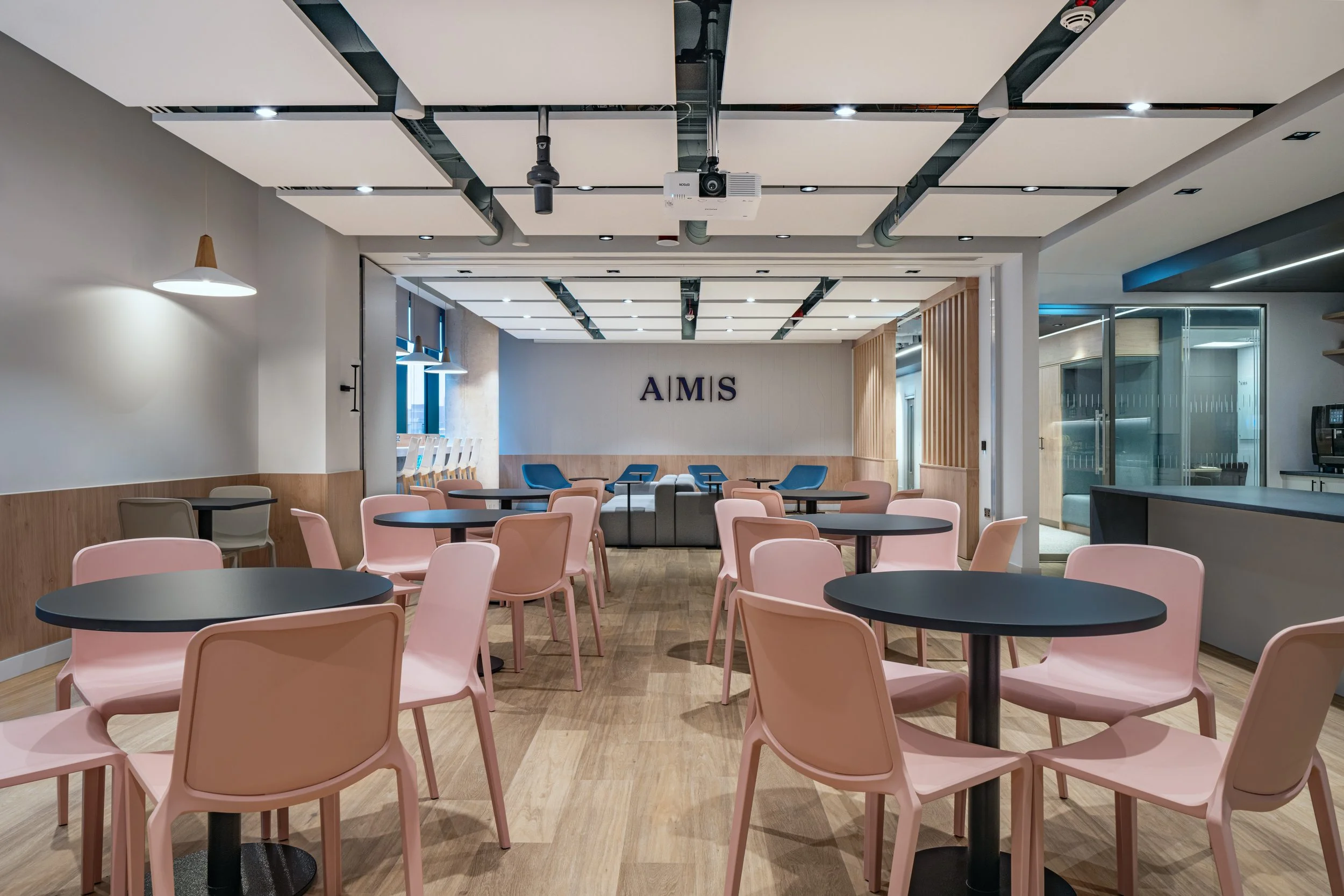
Phone Photos or a Professional Photographer for Your Office Fit-Out?
What to Expect from the Service
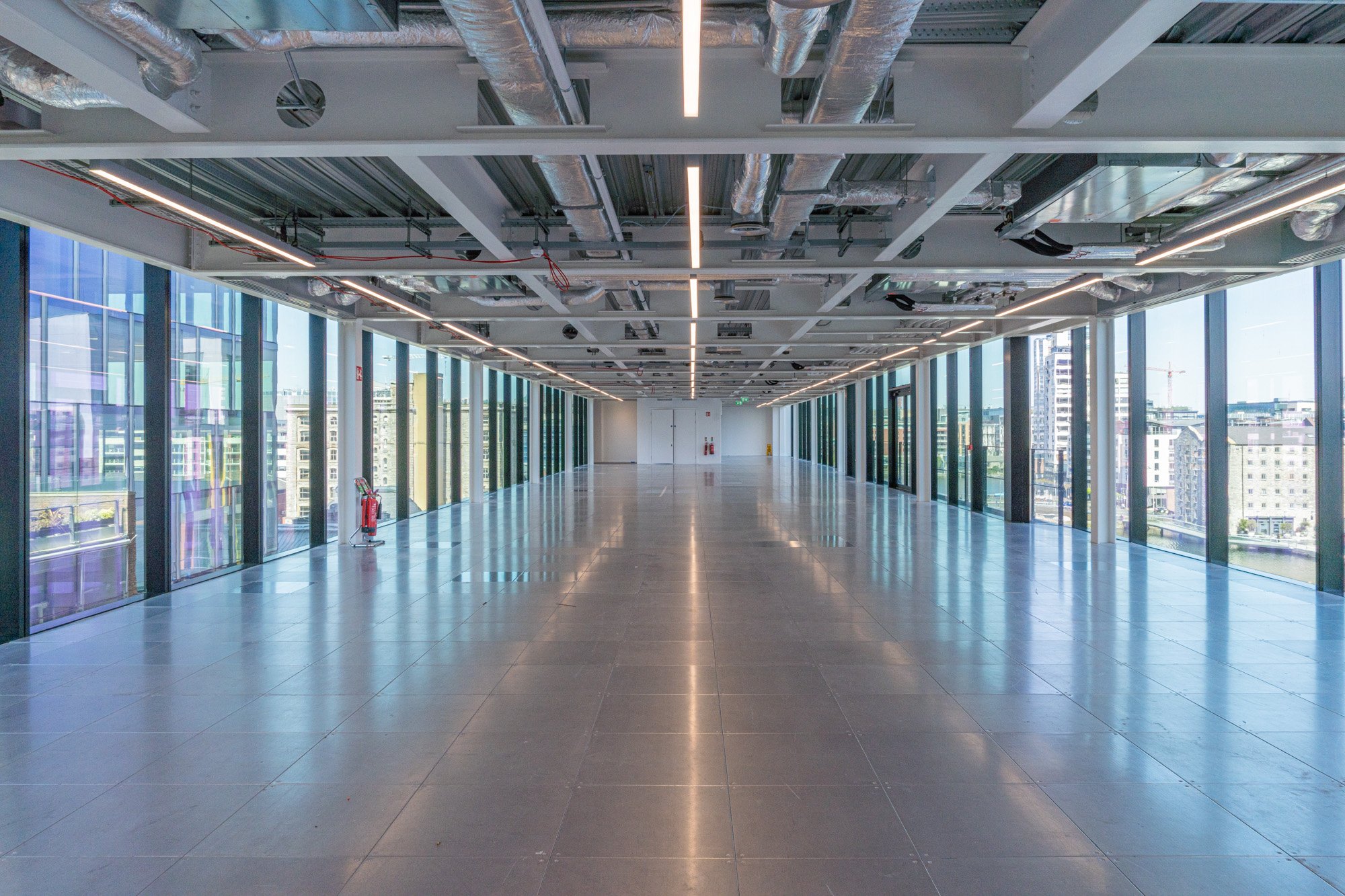
If you run a fit-out or interiors team — whether at a contractor or at a larger construction firm — you've already made this call dozens of times. Someone on site grabs a few shots on with phone before the strip-out. A PM takes a panorama on day three of joinery. Then marketing chases you the week before a tender goes in, asking if there's anything decent to use.
This post is about what you actually get when you choose between those phone shots and a professional photographer who specialises in fit-outs — and what a proper service looks like end-to-end, so you can decide where the line should sit for your own projects.
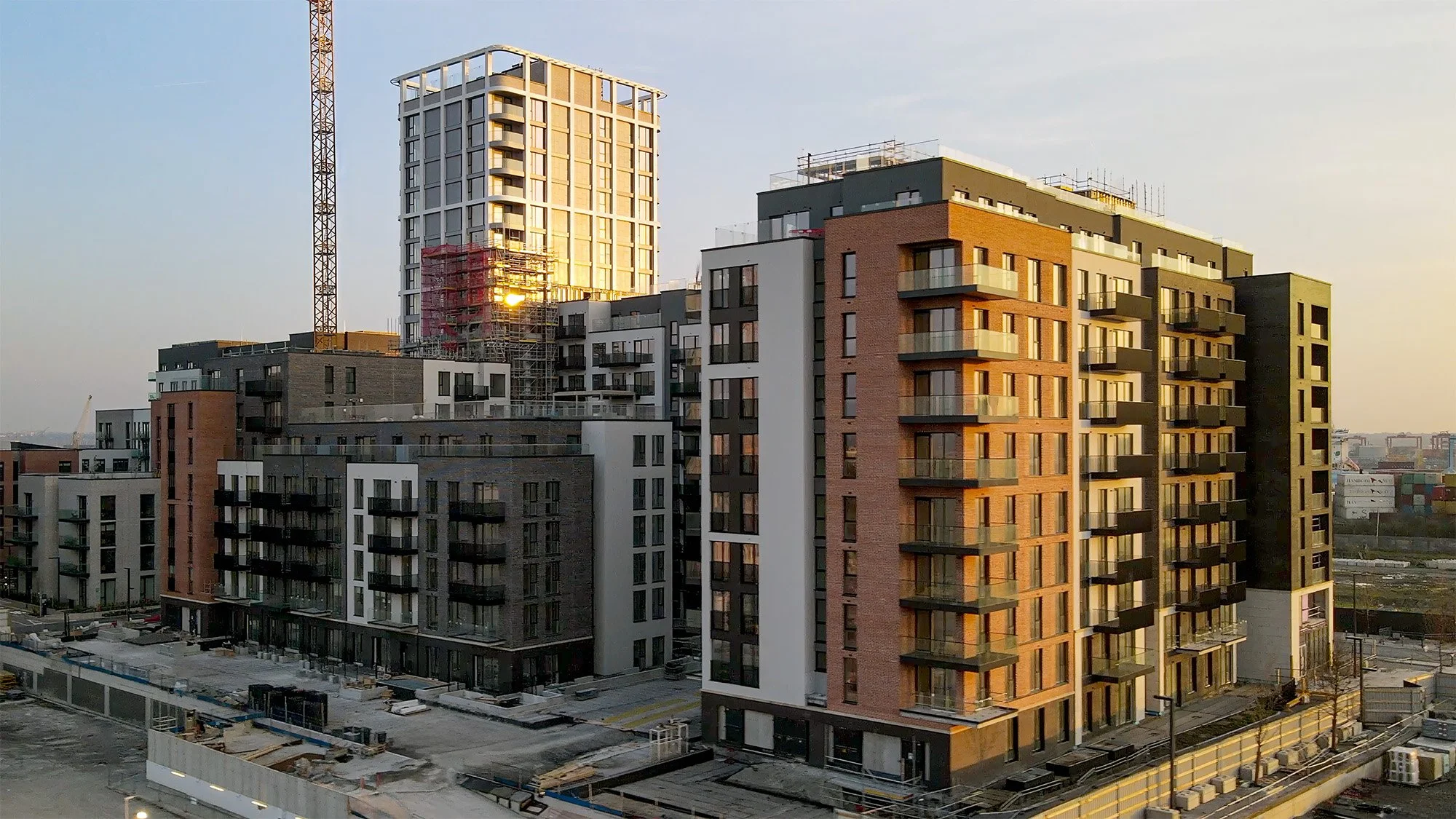
• Where a phone is genuinely fine
I'm not going to pretend a phone is useless. For internal snag lists, WhatsApp updates between site teams, quick proof shots to the client, and informal posts, a phone is grand. You don't need a full frame or medium-format camera to show the QS that a skirting needs redoing.
The real question isn't phone or pro. It's: where is this image going to end up?
The moment an image is going into a printed brochure, a tender response, an awards submission, a board pack, an investor update, or a finished case study on your website, the standard required is different. Not because of snobbery — because that image is now sitting next to a competitor's. And it will be looked at by someone deciding whether to give you the next job.
• Why phones struggle on a construction site
A few things consistently let phone photography down in our industry, and most of them aren't obvious until you see the result on a big screen.
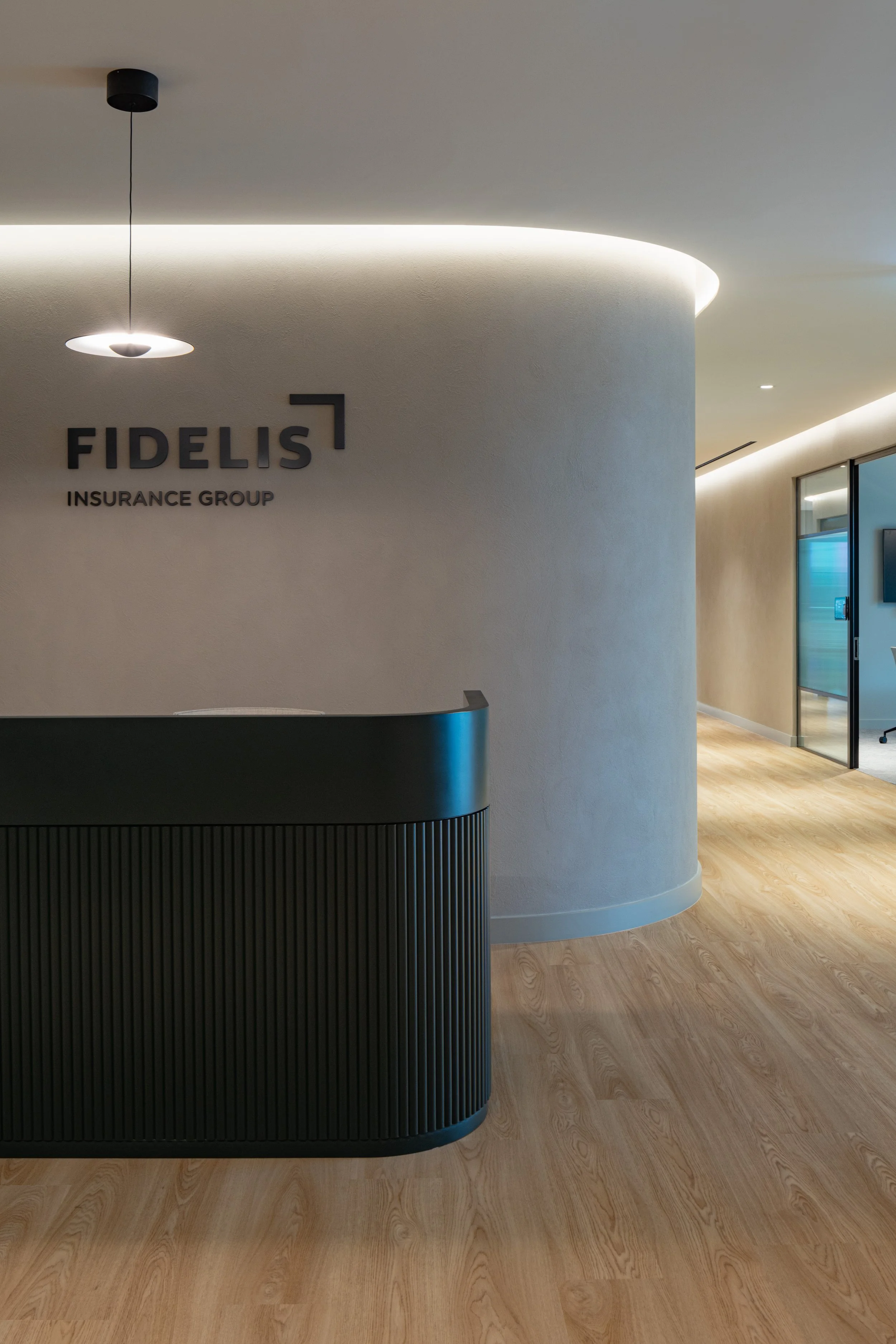
The lens is usually filthy. Phones live in pockets with keys and coins. The front element is often smeared or lightly scratched, and you get veiled flare and softness without ever realising why.
The wide-angle exaggerates everything. It's tuned for selfies and holiday group shots, not for showing a 200-square-metre floor plate honestly. You get barrel distortion at the edges and vertical lines that lean inwards or outwards.
Phones flatten the lighting design. Modern computational photography assumes you want everything bright and visible. So when your lighting designer has deliberately created pools of shadow to draw the eye toward a feature wall, a piece of timber detailing, or an artwork, the phone wipes that out and shows you an evenly lit room that doesn't match the design intent. Worse, you often see muddy shadows or blown-out windows because the dynamic range simply isn't there.
And then there's the operator. A phone in skilled hands can do more than most people think — but a phone in untrained hands on a half-built site usually doesn't. Two people with the same phone will produce two completely different results. The device matters less than the eye behind it.
• What a proper service actually includes
When a construction company brings me onto a project, the work starts well before the shoot. I ask for the 3D renders, design notes, architectural drawings, and where possible the structural drawings. I want to know what the designer was trying to achieve and what the end client cares about, so the imagery lines up with the original visual language of the project.
Then I'll do a recce or, at minimum, a thirty-minute walkthrough with the designer on the day of the shoot. I'll ask where the images are going — internal use, tender, awards entry, brochure — because that changes how I shoot each frame.
A few practical things matter on a live site. I hold a SafePass, I carry my own PPE, and I know how to move through a construction environment without getting in anyone's way. That isn't a nice-to-have for a contractor in Ireland; it's the baseline.
On licensing: copyright stays with me, and the client receives a usage licence for their agreed purposes. That stops other parties — sometimes subcontractors or suppliers further down the chain — from quietly reusing your project imagery in their own marketing as if it were theirs.
• The most underused part of the service: before and during
This is where I see the biggest gap between what clients book and what they actually need.
Most clients book me for the after — the glossy completed images. Far fewer book the before and during stages, and almost every one of them tells me afterwards they wish they had.
The ideal cadence on a ten- to fourteen-week build is straightforward. Bring me in once the project is signed off, a day or two before demolition or construction begins. Then back every two weeks during the build. Each visit is typically ten to fifteen images, which may include culture and hero shots of the crew on site, that tell the story of the project as it progresses.
That sequence does two things. It gives your directors, investors, and end client a continuous, professional update stream during the build. And it gives your marketing team a much stronger asset library when the next tender lands and they need to show how you actually deliver, not just the finished result.
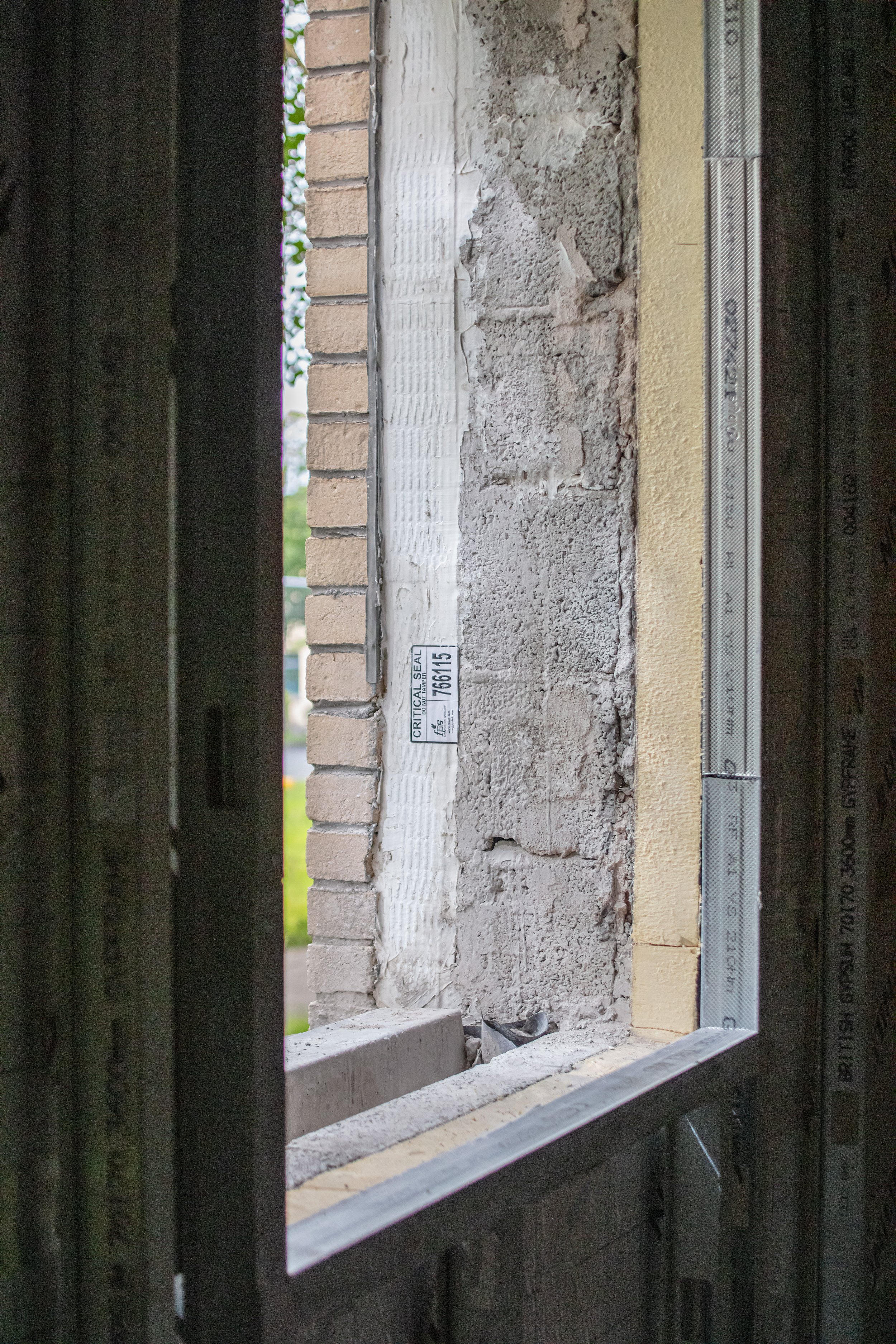
That sequence does two things. It gives your directors, investors, and end client a continuous, professional update stream during the build. And it gives your marketing team a much stronger asset library when the next tender lands and they need to show how you actually deliver, not just the finished result.
You can write about your process all you want in a tender document. Showing it, image by image, alongside the text, lands very differently.
• Generalist photographer vs construction specialist
A talented generalist can take a beautiful photograph. What they don't tend to have is sector-specific instinct — the subconscious read of a space that comes from shooting fit-outs and construction sites week in, week out. They may not understand the construction sequence, the language of the design, or what a contractor's marketing team actually needs from the final set. They'll work harder to get the shot, where a specialist works more efficiently because they've already seen it before lifting the camera.
For a client, the practical difference is ease and confidence in your photographer. You're not standing over a photographer's shoulder hoping they capture what matters. You're handing it to someone who already knows.
• What you actually receive
For a typical fit-out project, the deliverables look like this;
Both high-resolution and web-sized jpeg files (tiffs available upon request) in each delivery.
Pre-fit-out shoot: roughly twenty to thirty images.
Each progress site visit: ten to fifteen images.
Final completed shoot: anywhere from twenty-five to fifty images depending on the scale and detail of the project.
Turnaround is generally seven to twelve days from the shoot, with retouching included as part of the standard service rather than as an extra.
• The final thought
Think forward to the next tender, the next brochure, the next year's awards submission. The phone shots from inside the cherry-picker on week four — taken by whoever happened to be free — will probably not earn a place on the page. A properly documented before, during, and after sequence will.
Reach for the camera phone when the audience is internal. Reach for a professional when the image will be carrying your reputation in front of someone who hasn't yet decided to hire you.